
Our Arbitration services
At Daily Conflict Solutions our Arbitration services focus on efficient, binding dispute resolution in Contracts, commercial and international matters. Our work has included arbitrating Sports Contracts and entertainment Contracts.

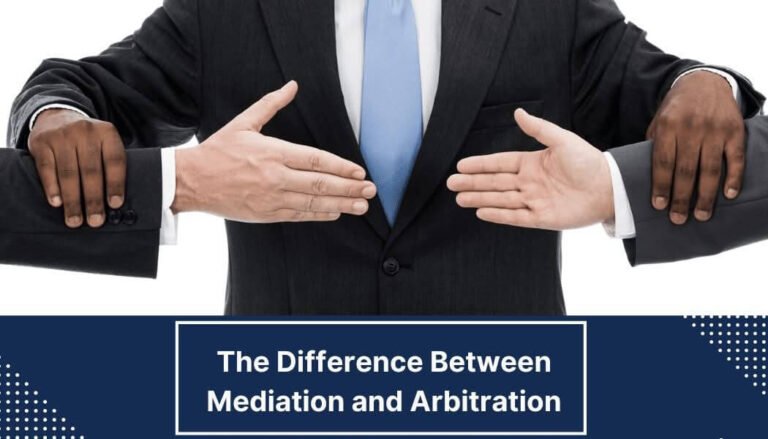
Mediation and arbitration share a common lineage as alternatives to the traditional legal system of court and jury trials. They are both intended to offer less expensive, more efficient outside-of-courtroom approaches to resolving disputes than those afforded by more formal litigation.
Arbitration is more formal than mediation or conciliation and can look more like the litigation process in court. That is because, like litigation, arbitration is, at its core, an evidence-based, adjudicative process.
Arbitration involves a hearing resembling a trial that takes place outside the courtroom, requiring the parties in dispute to participate. The process is conducted according to formal rules of arbitration administered by a single neutral arbitrator (or a panel of arbitrators) whose task is to conduct a formal hearing, including lay and expert testimony.
Like a trial, the hearing can often take weeks to complete. Once testimony is concluded, the arbitrator rules on the evidence presented by issuing a decision. The arbitrator’s decision is a binding decision, providing a conclusive resolution to the dispute (unless the parties previously agreed to a non-binding arbitration). Because the decision is final, there is no formal appeals process available. Even if one party feels the outcome was unfair, unjust, or biased, they cannot appeal it. Unlike mediation, in arbitration, there are no discussions about working out the parties’ differences.
Arbitration is typically compelled by contract or statute, although parties can also agree to arbitrate after a conflict occurs. A contract that includes an agreement to arbitrate disputes (an arbitration clause) will outline some key aspects of any potential future arbitration. The rules and procedures that will be used in arbitration are typically part of this agreement. If a third-party ADR service such as JAMS or AAA will be used to handle an arbitration, the contract may specify whether the rules and procedures of that third-party service will be used. Rules typically address:
- Number of arbitrators
- Selection of arbitrators
- Timeline for arbitration
- Evidence
- Awards
- Confidentiality and records
The Arbitration Process
The main phases of an arbitration process include:
Initiation: An arbitration case begins when one party submits a demand for arbitration, which outlines the parties involved, the nature of the dispute, and the relief being sought.
Selection of Arbitrator: Both parties identify and select an arbitrator
Preliminary Hearing: Conducted by the arbitrator, a preliminary hearing with the parties may be held to discuss the issues in the case witnesses, depositions, sharing information, and other procedural matters.
Discovery: The parties identify witnesses, evidence, and experts, exchange information, and prepare for the hearing.
Hearing: At the hearing, parties present testimony and evidence to the arbitrator. Unless the case is very complex, there is usually only one hearing before the arbitrator.
The Award: The arbitrator concludes testimony, closes the record on the case, and issues a final decision, including an award.
Contact Daily Conflict Solutions; The Training Place for Resolution & communication
Our Address
1629 K street, Suite 300.
NW, Washington DC
Office Hours
Monday to Friday 3:00 PM to 9:00 PM
Saturday 8:00 AM to 8:00 PM
Sunday 3:00 PM to 8:00 PM